
Insights from our Activities in Education
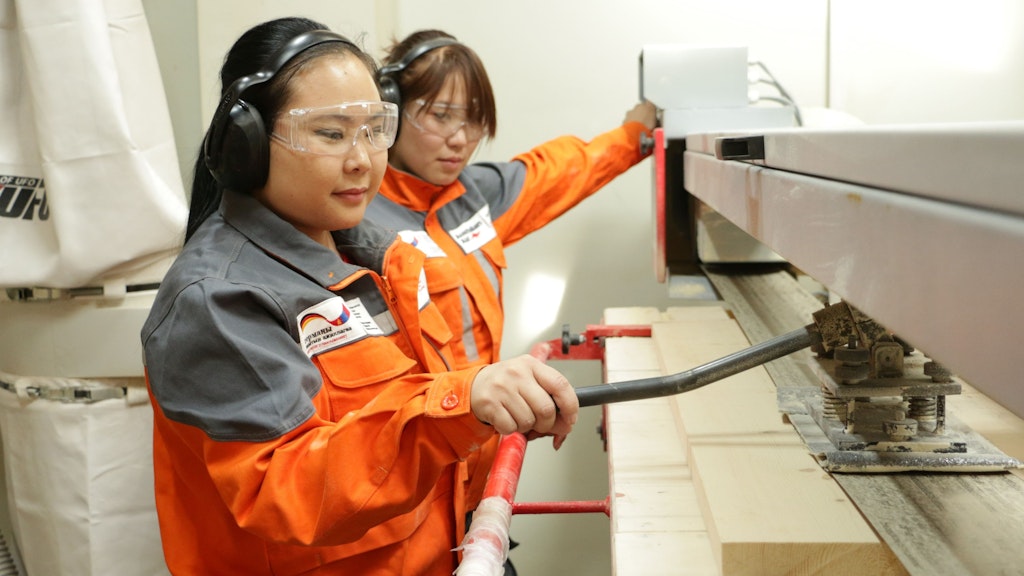
Deep-dive on Basic and Vocational Education Training (BVET)
Thematic Narratives
Collaborating for the Transformation of Education
Empowering Entrepreneurs and Changing Behaviours
Investing in Education and Building the Future Leaders' Skills
Promoting Excellence in Technical and Vocational Education and Training Through Collaboration with the Private Sector
Supporting Growth: How the Promotion of a Favourable Ecosystem Can Trigger the Development of Local Start-Ups
Transforming Career Guidance
Basic and Vocational Training
SDC extended its support to facilitate the process of sustainable development and shifting to fundamental reforms in the education sector to develop Education for Sustainable Development (ESD) in Mongolia. Whereas the first phase of the ESD project succeeded in introducing the concept and importance of ESD, the second phase concentrated on improving and strengthening of the understanding and practice of ESD for it to take root among the implementers at the national level and in the selected provinces. The overall goal of the project was to promote an environmentally, socially and economically responsible, equitable, and sustainable future for the people of Mongolia through Education for Sustainable Development.
Education for Sustainable Development - Phase 2
The project initiated the integration of ESD principles in education training and activities at all levels. And supported an increase in the number of eco-schools and kindergartens, introducing the Whole School Approach (WSA) to 30 model schools and developing a school-based curriculum. It also aimed to disseminate ESD knowledge, skills and information to children and youth through life-long education.
Investing in Education and Building the Future Leaders' Skills
Youth Employment Promotion
The project focused on improving the existing policy documents and programs so set the framework for operational changes initiated in parallel. While the policy environment was analyzed, discussed and fed with lessons learnt from the operational level, the project capacitated the major employment/labor and start-up stakeholders including Ministries and the Start-ups and created structures for cooperation to formalize the reforms. The approach to set up official steady working groups comprised of representatives of MLSP and its agencies and departments/divisions, private sector and professional associations for each outcome created additional synergies and lead to valuable networks between them.